Wie Sie Moderne Kunst in Ihr Zuhause Integrieren
Was ist Moderne Kunst?
Wussten Sie, dass moderne Kunst als Deko für Ihr Zuhause verwendet werden kann? Moderne Kunst ist ein besonderer Weg, um Ihr Heim zu personalisieren und einzigartige optische Kunst zu schaffen. Durch die richtige Auswahl der Werke und die Berücksichtigung Ihres Interieurs können Sie Ihre Wohnung in ein visuelles Kunstwerk verwandeln. In diesem Artikel erfahren Sie mehr über Moderne Kunst und wie Sie diese als Raumdeko integrieren können.
Welche Arten von moderner Kunst gibt es?
Es gibt viele Arten von modernen Kunstwerken, die Sie in Ihrem Zuhause integrieren können. Von gegenständlichen Kunstwerken wie Skulpturen und Malereien bis hin zu abstrakten Formen der Kunst, die auf digitale, performative oder Installationen basieren, gibt es viele Möglichkeiten, moderne Kunst in Ihr Zuhause zu integrieren.
Gegenständliche Kunst ist in der Regel leichter einzuführen, da sie oft auf einem weiten Spektrum an Farben und Formen basiert. Hier erhalten Sie eine Fülle an Optionen, angefangen bei traditionellen Bildern und Skulpturen über integrierte Kunstwerke, die beispielsweise in Fußböden, Decken oder Wänden integriert werden, bis hin zu äußerst originellen Alternativen. Diese modernen Kunstwerke können dazu beitragen, Ihren Raum zu dekorieren und einbringen eine kreative Note, die man nur bei Kunstwerken findet.
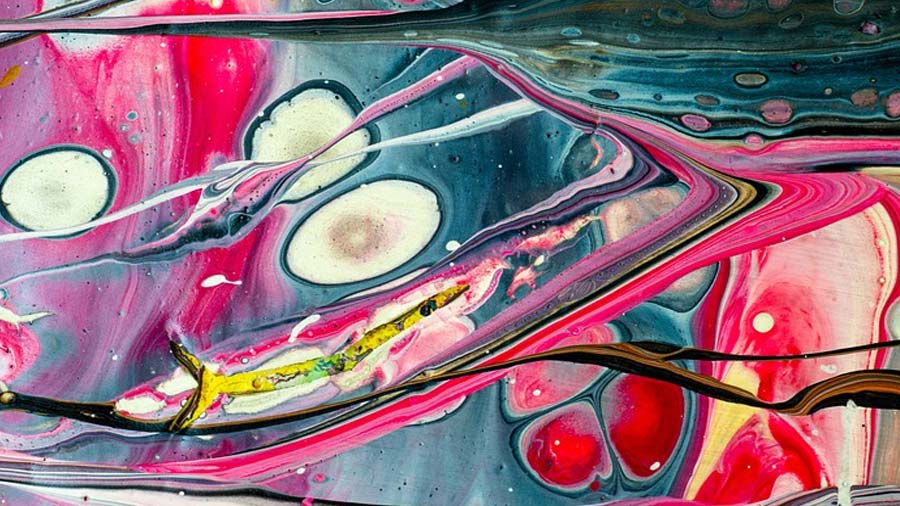
Abstrakte Arten von modernen Kunstwerken, wie sie in digitalen Medien und performativer Kunst zu finden sind, haben oft eine viel eindringlichere Wirkung als traditionelle Werke. Sie sollten in Ihr Zuhause Bahnbr der Raumdeko, Wohnungsdeko oder jeder Art von Verzierung integriert werden, die Ihnen etwas Einzigartiges bietet. Mit einem kreativen Ansatz können Sie ein Kunstwerk erstellen, das Ihrem Zuhause eine persönliche Note verleiht.
Die Auswahl Moderner Kunst
Die Auswahl moderner Kunst für Ihren Wohnraum kann eine einzigartige und unverwechselbare Atmosphäre zu schaffen. Moderne Kunstobjekte sind eine sehr einladende und spannende Deko für Ihre Wohnung. Es gibt so viele verschiedene Möglichkeiten, diese in Ihr Dekor zu integrieren und die Raumdeko zu bereichern.
Die Wahl kann eine sehr persönliche und emotionale Reise sein. Sie können nach etwas Ausschau halten, das Ihre Persönlichkeit wiederspiegelt, eine besondere Erinnerung an einen speziellen Menschen, Ort oder Ereignis veranschaulicht oder einfach nur etwas ist, das Ihnen gut gefällt. Denken Sie daran, dass Kunst eine sehr individuelle und persönliche Präferenz ist. Wählen Sie daher ein Kunstwerk, das Ihnen gefällt, auch wenn andere es nicht mögen.
Es gibt eine Reihe von verschiedenen Stilen moderner Kunst, die geeignet sind, Ihren Raum zu bereichern. Zum Beispiel können Sie zwischen Fotografien, skulpturalen Werken, Gemälden oder sogar Wand-Graffiti wählen. Sie können auch eine Vielzahl von Künstlern und Stilrichtungen ausprobieren, um herauszufinden, was Ihnen am besten gefällt. Wenn Sie alles richtig machen, kann moderne Kunst eine einzigartige und unverwechselbare Note in Ihren Raum bringen.
Beginnen Sie mit Ihrer Vision
Der Weg zur Integration moderner Kunst in Ihrem Zuhause beginnt mit der Vision, die Sie bereits für Ihr Zuhause haben. Wenn Sie modernen Kunst in Ihr Dekor integrieren wollen, müssen Sie zuerst eine klare Vorstellung davon haben, was Ihr Raum aussagen soll. Wenn Sie z.B. ein ruhiges und entspanntes Zuhause schaffen möchten, können Sie bei der Wahl moderner Kunst darauf achten, ruhige und weiche Farben und Formen zu wählen. Wenn Ihnen das traditionelle Dekor mehr zusagt, können Sie bei der Wahl der modernen Kunst eher traditionelle Motive und Farben bevorzugen. So schaffen Sie mit Kunst einen perfekten Ausgleich zu Ihrem traditionellen Wohnstil.
Der nächste Schritt bei der Integration moderner Kunst in Ihrem Zuhause ist die Wahl der entsprechenden Stücke. Es gibt viele Arten von modernen Kunstwerken, und Sie können bei der Wahl des passenden Kunstwerks ein paar einfache Richtlinien beachten. Wählen Sie zum Beispiel Kunstwerke, die zur Einrichtung Ihres Zuhauses passen und zusammenpassen. Betrachten Sie ihr Wohnzimmer als Ganzes, wählen Sie ein Kunstwerk, das in jedem Raum gut aussieht und einen gewissen Wiedererkennungswert hat. Mit einer Reihe von modernen Kunstwerken im Raum können Sie ein harmonisches und stimmiges Bild schaffen.
Überprüfen Sie den Zustand der Kunst
Wenn Sie nach einer interessanten und aufregenden Möglichkeit suchen, moderne Kunst in Ihre Wohnung zu integrieren, ist es wichtig, dass Sie zunächst den Zustand der Kunst überprüfen. Moderne Kunst ist eine einzigartige Art der Dekoration, da sie sich in jedem Raum des Hauses unterschiedlich auswirkt. Wenn Sie also verstehen möchten, wie sich diese in Ihrem Zuhause auswirkt, ist es wichtig, dass Sie das Aussehen und den Zustand der Kunst überprüfen.
Einige der wichtigsten Dinge, die Sie überprüfen sollten, sind:
- Warum wurde die Kunst ursprünglich erstellt?
- Ist die Kunst noch in gutem Zustand?
- Passt die Farbe zu Ihrer Wohnungsdeko?
- Ist die Kunst authentisch?
Es ist eine gute Idee, sich an einen Experten zu wenden, um sicherzustellen, dass Sie nicht auf ein gefälschtes Stück hereinfallen.
Passen Sie die Auswahl an Objekten an Ihr Interieur an
Es ist wichtig, dass Sie sich bei der Auswahl moderner Kunstwerke an Ihr Interieur anpassen. Moderne Kunst ist ein wesentlicher Bestandteil der Dekorationsgrafik und kann einen Raum entweder unterstreichen oder verändern. Es ist wichtig, dass Sie sich bei Ihrer Auswahl an modernen Kunstwerken mit Ihrem wohnlichen Ambiente vertraut machen.
Suchen Sie nach Kunstwerken, die Ihren Raum auf natürliche Weise bereichern und die neuen Akzente in Ihrem Zuhause setzen. Sie kann auf demselben Weg wie traditionelle Dekorationen funktionieren, wobei moderne Kunstwerke verschiedene Muster, Formen, Farben und Konzepte bieten, die sich an Ihr Interieur anpassen lassen.
Es ist wichtig, Kunstwerke auf eine Weise auszuwählen, die Ihrer Wohnungsdeko und Ihrem Raumdekor entspricht. Suchen Sie nach Kunststücken, die sich in Ihren vorhandenen Farbschema und Stil einfügen.
Wählen Sie beispielsweise ein Kunstobjekt, das das modernste Designelement in Ihrem Raum unterstreicht. Denken Sie daran, dass Sie Kunstwerke und andere Deko-Elemente auswählen, die sich nicht nur ästhetisch ansprechend, sondern auch funktional an Ihr Zuhause anpassen.
Diese neue Kunst kann Ihnen auch helfen, schöne Akzente zu setzen, die den Raum in eine völlig neue Richtung lenken, ohne die Gesamtatmosphäre zu verändern.
Gibt es einfache Möglichkeiten, moderne Kunst zu integrieren?
Es gibt viele einfache Möglichkeiten, moderne Kunst in ein Zuhause zu integrieren. Eine der populärsten Methoden ist die Verwendung von Dekorationsstücken. Es gibt viele verschiedene Arten von Wohnungsdeko, von möblierten Wänden bis hin zu modernen Kunstwerken.
Moderne Kunstwerke können einen starken visuellen Einfluss haben und sind eine tolle Möglichkeit, einer Wohnung einen neuen Look zu verleihen. Es gibt viele verschiedene Stile, von abstrakten Gemälden über einzigartige Skulpturen bis hin zu raumhohen Wandteppichen. Diese können eine einzigartige Ergänzung zu jedem Raum sein.
Eine weitere großartige Möglichkeit, diese zu integrieren, ist das Dekorieren von Wänden. Wände sind eine tolle Möglichkeit, um zu zeigen, wer Sie sind und was Sie mögen. Sie können mit modernen Kunstwerken verziert werden, wie z.B. einem Acrylgemälde oder einem modernen Fotoprint. Es gibt auch viele verschiedene Arten von Fotografien, von schwarz-weißen Landschaftsaufnahmen über monochrome Raster bis hin zu eindrucksvollen Aufnahmen. Diese Fotografien können eine einzigartige Art der Raumgestaltung sein und ein Gefühl der Ruhe und des Gleichgewichts vermitteln.
Integrieren Sie Moderne Kunstobjekte in Ihr Zuhause
Nehmen Sie sich Zeit, moderne oder abstrakte Objekte in Ihr Zuhause zu integrieren. Moderne Kunstelemente sind eine attraktive Variante, Ihrer Wohnung einen einzigartigen Look und ein modernes Gefühl zu verleihen. Wenn Sie jedoch nicht wissen, wo Sie anfangen sollen, können Sie sich schnell überwältigt fühlen. In diesem Artikel erfahren Sie, wie Sie moderne Kunst in Ihr Zuhause integrieren:
Beginnen Sie mit der Auswahl der richtigen Kunstwerke. Wählen Sie hierbei Kunstwerke, die zu Ihrem Raum passen. Bedenken Sie, dass alles abhängig vom Raum ist, in dem Sie die Kunstwerke anbringen möchten. Wenn Sie ein eher modernes Zuhause haben, empfehlen wir, dass Sie ausreichend moderne Kunstwerke wählen, um die modernen Elemente Ihres Zuhauses zu vervollständigen. Wenn Sie schon länger in Ihrem Zuhause leben, dann möchten Sie vielleicht etwas Traditionelles hinzufügen – dann sollten Sie ältere Kunstwerke als Deko in Ihr Zuhause integrieren.
Platzieren Sie eine limitierte Auflage an einem Ort mit geringem Verkehr
Wenn Sie eine limitierte Auflage moderner Kunst als Dekoration in Ihr Zuhause integrieren möchten, ist es wichtig, den richtigen Platz dafür zu finden. Ein guter Ort mit geringem Verkehr ist besonders wichtig, um das Kunstwerk wirklich zu schätzen und gleichzeitig die Gefahr zu minimieren, dass es beschädigt wird.
Ein ruhigerer Ort in Ihrem Zuhause, der nur selten betreten wird, ist der perfekte Ort für solch eine limitierte Auflage. Wenn eine limitierte Auflage in Ihrem Wohnzimmer angezeigt wird, schauen Sie sich die Umgebung an, in der es platziert wird. Auf diese Weise können Sie sicherstellen, dass die Personen, die den Raum betreten, schon darüber Bescheid wissen, dass der Raum eine limitierte Auflage enthält.
Für diejenigen, die eine limitierte Auflage an einem Ort mit wenig Verkehr platziert haben, gibt es mehrere Tipps, um sicherzustellen, dass Ihre moderne Kunst geschützt ist. Zunächst sollten Sie einige Inspirationen für eine angemessene Wohnungsdeko sammel
Geben Sie einzelnen Werken mehr Raum, um sich zu entfalten
Wer moderne Kunst in sein Zuhause integrieren möchte, sollte sich vor allem daran erinnern, jedem einzelnen Werk mehr Raum zu geben, damit es sich entfalten kann.
Wohnungs- und Raumdeko sind eine vielseitige Kunstform und lassen sich problemlos in alle modernen Wohnräume integrieren. Wählen Sie ein einzelnes Kunstwerk, das Sie wirklich mögen, und stellen Sie es besonders hervor, indem Sie ihm einen Ehrenplatz in Ihrem Haus geben. Wählen Sie eine zentrale Wand in Ihrem Wohnzimmer aus und dekorieren Sie diese mit dem Werk.
Vergessen Sie aber nicht, auf das richtige Licht zu achten, da Kunstwerke oft von Licht und Schatten betont und hervorgehoben werden. Wenn möglich, können Sie auch mehrere Kunstwerke an einer Wand kombinieren. Wählen Sie dazu ein Thema aus und arrangieren Sie die Werke in einem visuell ansprechenden Design.
Aber denken Sie daran, dass jedes einzelne Werk seinen eigenen Raum und Sinn bekommen muss. Dies gilt für alle Arten von Dekor und Wohnraumdeko. Bringen Sie Farbe und Kontrast in Ihr Dekor, indem Sie verschiedene Größen, Formen und Strukturen in Ihrem Design kombinieren. Um Moderne Kunst optimal in Ihrem Zuhause zu integrieren, experimentieren Sie mit verschiedenen Einrichtungsstilen und Dekorationen, um ein einzigartiges und stilvolles Ergebnis zu erzielen.